
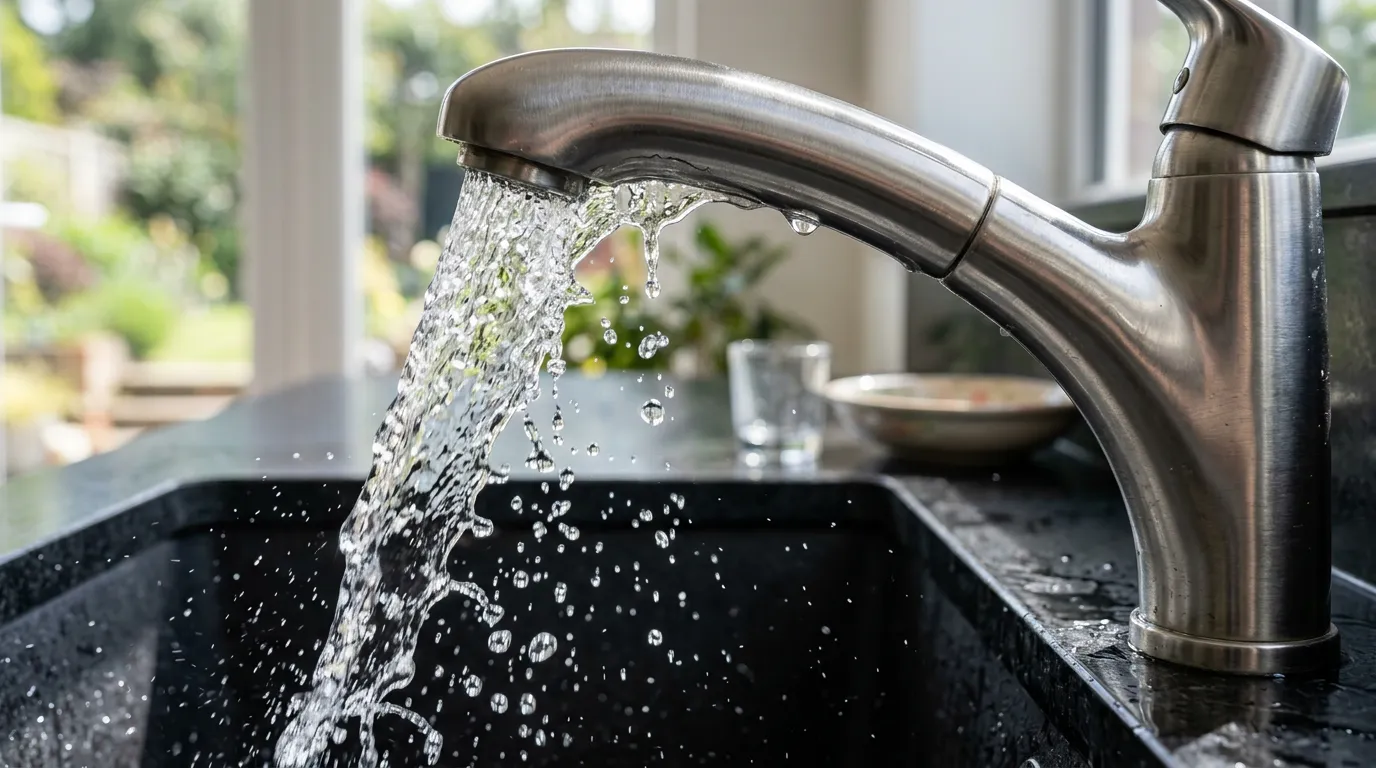
Corrosion Resistance and Longevity
Stainless steel resists rust and oxidation far better than standard chrome-plated brass, making it ideal for kitchens where water exposure is constant. Unlike plated finishes that can wear away to reveal underlying corrosion, stainless steel maintains its integrity throughout the fixture's life.
This durability means fewer replacements and repairs over time, making stainless steel faucets a sound long-term investment for both residential and commercial kitchens.
Easy Maintenance and Cleaning
Stainless steel's smooth surface resists fingerprints and water spots more effectively than many alternatives. Routine cleaning with mild soap and water maintains the finish without special treatments or polishing compounds.
For kitchens where appearance matters—whether a home or professional setting—stainless steel faucets retain their polished look with minimal effort. This low-maintenance quality is particularly valuable in busy commercial environments.
Modern Aesthetic Versatility
The contemporary look of stainless steel complements a wide range of kitchen design styles, from minimalist modern to industrial and transitional interiors. Its neutral tone pairs well with various countertop materials and cabinetry finishes.
Manufacturers like Jenor Sanitary Fixtures offer stainless steel faucets in multiple profiles—single-handle, pull-out, arc spout, and more—ensuring you find a style that matches your kitchen's aesthetic.
Sustainable Choice
Stainless steel is fully recyclable, making it an environmentally responsible material choice. Its extended lifespan also reduces waste compared to fixtures that require frequent replacement.
Choosing a durable stainless steel faucet aligns with sustainable kitchen design principles and reduces your environmental footprint over the fixture's 10+ year lifecycle.